Table of Contents
- Key Takeaways
- Why Web Crawling Matters for Your Kenyan Business
- How Web Crawling Works (With Examples)
- Your Web Crawling Action Checklist
- Frequently Asked Questions
- What happens if Google can’t crawl my site?
- How often does Google crawl websites?
- Can I influence Google’s crawling?
- Why does my Nairobi business need good crawlability?
TL;DR: Crawlability is how easily search engines like Google find and index your Kenya business website pages.
Last Updated: March 2026
Key Takeaways
- Google bots scan websites daily
- Links help crawlers find your site
- XML sitemaps guide crawlers
- Crawl errors hurt Kenyan businesses
- Fast websites boost crawler visits
Web crawling is the automated process where search engines like Google use special programs called “crawlers” or “bots” to systematically browse and index websites across the internet, a process central to SEO fundamentals for Kenyan sites.
Think of it as Google’s way of discovering, reading, and cataloguing every page on your website. It can then show your site to potential customers when they search online.
Picture your business website like a shop in Nairobi’s CBD.
Just as potential customers need to know your shop exists before they can visit, Google’s crawlers need to “visit” your website pages before they can recommend your business to searchers.
These digital scouts work 24/7, moving from link to link across the internet. They read content and report back to Google’s massive database about what they found on each page.
Why Web Crawling Matters for Your Kenyan Business
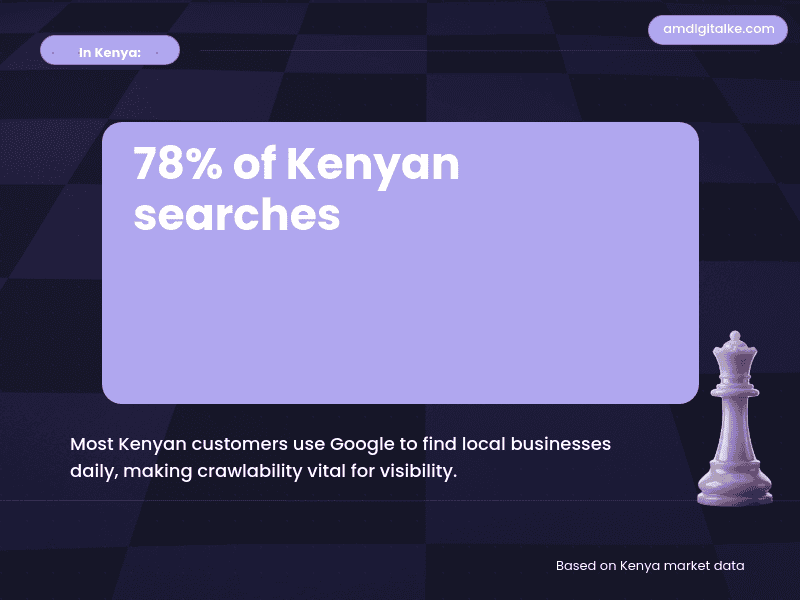
If Google can’t crawl your website properly, your business essentially becomes invisible online. It’s like having a shop with no signage in a Nairobi back alley.
Poor crawling means lost customers, missed sales opportunities, and competitors capturing your market share.
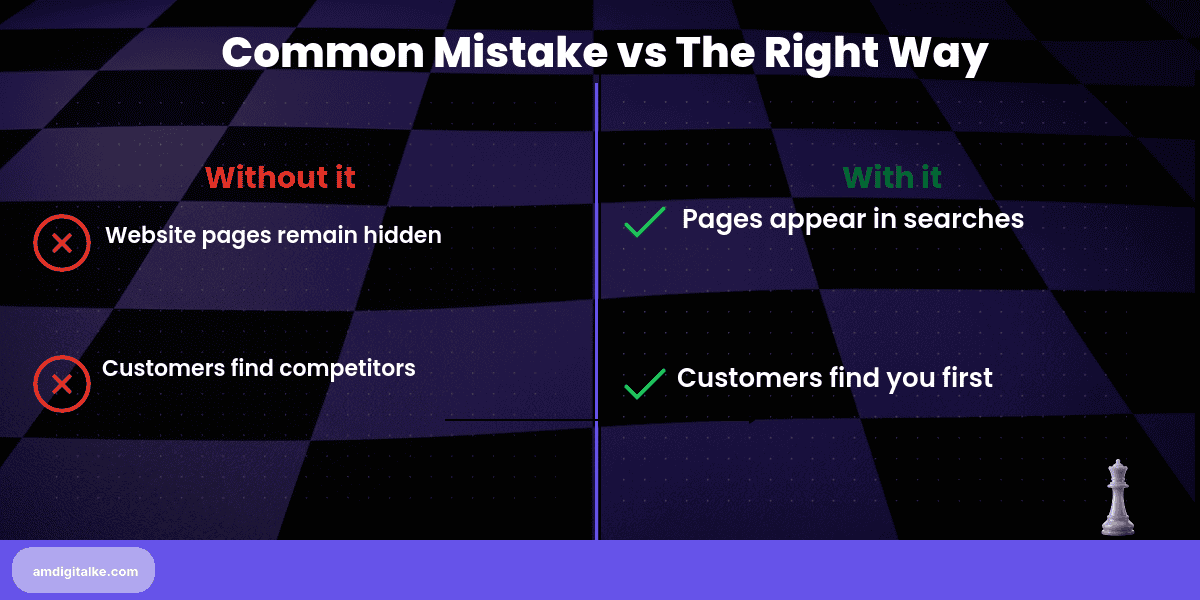
Consider a Mombasa tour operator whose booking pages aren’t being crawled due to technical errors.
While their competitors’ safari packages appear in search results, this business remains hidden. Based on AM Digital KE client data across Kenyan accounts, such crawl issues can cost businesses thousands of potential bookings monthly.
Without proper crawling, even the best content marketing efforts fail. Search engines never discover your valuable pages.
The consequences extend beyond visibility. Uncrawled pages don’t contribute to your domain authority.
Your local SEO efforts get wasted. Your Kenya business struggles to compete in an increasingly digital marketplace where customers expect to find everything online.
How Web Crawling Works (With Examples)
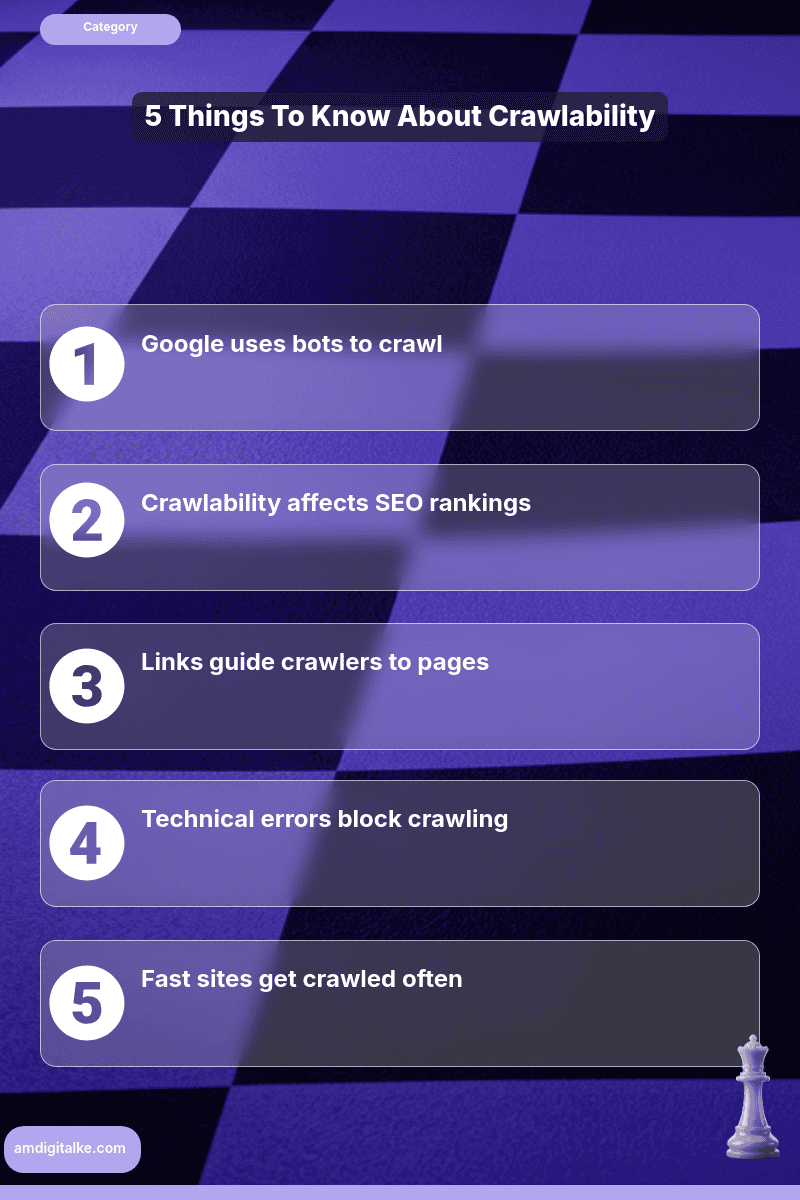
Google’s crawlers discover your website through several methods:
- Following links from other websites, like when the Kenya Association of Manufacturers links to your factory’s homepage
- XML sitemaps – your website’s directory that lists all important pages
- Direct URL submissions through Google Search Console
- Social media links from your Facebook or Twitter business profiles
Good crawling example: A Nakuru flower farm with clean URL structures (/roses, /carnations, /delivery) that crawlers easily navigate.
All product pages appear in search results.
Poor crawling example: A Kisumu restaurant with broken internal links and no sitemap.
Google only discovers the homepage but misses the menu, location, and booking pages that drive actual customers.
Crawlers evaluate your site’s technical health, content quality, and user experience signals. They determine which pages deserve higher search rankings for terms like “best nyama choma Nairobi” or “affordable web design Kenya.”
To learn more about such SEO terms, check out my SEO FAQs page for a glossary.
Your Web Crawling Action Checklist
Here’s your web crawling optimisation checklist:
- ☐ Test your website using Google Search Console to identify crawl errors immediately
- ☐ Create an XML sitemap and submit it through Search Console to guide crawlers to all important pages
- ☐ Fix broken internal links by checking that all navigation menus and footer links work properly
- ☐ Improve site speed since slow-loading pages often get abandoned by both crawlers and visitors
- ☐ Review your robots.txt file to ensure you’re not accidentally blocking important business pages from being crawled
- ☐ Set up regular monitoring to catch and fix crawl issues before they impact your search visibility
Ready to ensure Google discovers every valuable page on your business website?
Let’s conduct a complete SEO site analysis of your specific site and identify the technical fixes that will boost your Kenya business’s online visibility.
Have more SEO questions? Our SEO FAQs Kenya page answers the most common ones.
Frequently Asked Questions
What happens if Google can’t crawl my site?
Your Kenya business pages won’t appear in search results, losing customers to competitors online.
How often does Google crawl websites?
It varies, but popular Kenyan sites with fresh content may be crawled daily.
Can I influence Google’s crawling?
Yes! Create quality links, submit URLs in Search Console, and avoid crawl errors.
Why does my Nairobi business need good crawlability?
It ensures potential customers searching online can find your products or services.