Table of Contents
TL;DR: Protect your Kenyan business site by avoiding spammy links, monitoring content quality, and ensuring mobile-friendliness. Follow these steps to keep your site safe from Google penalties.
Last Updated: March 2026
Key Takeaways
- Audit backlinks monthly
- Disavow toxic links
- Use original content
- Avoid keyword stuffing
- Optimise mobile experience
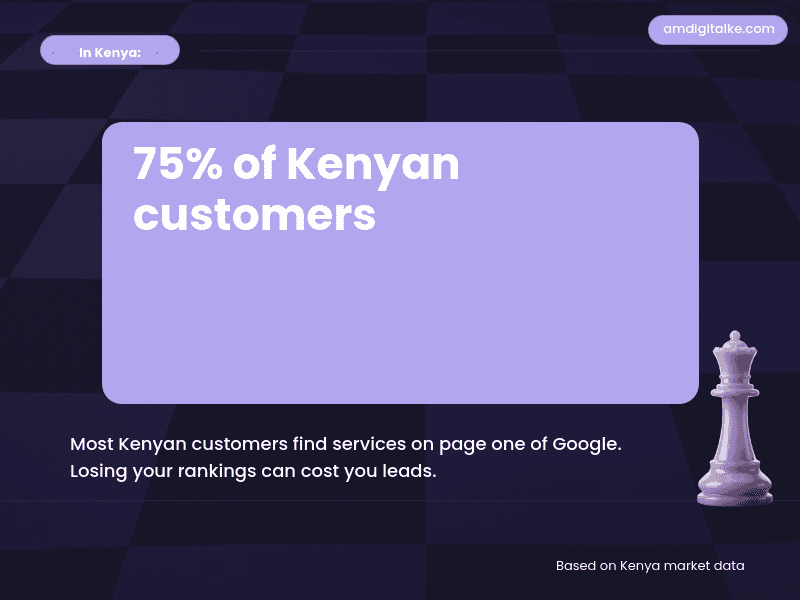
Google penalties can destroy your organic traffic overnight. They push your business off page one, where most Kenyan customers find services.
Protecting your site means safeguarding your revenue stream. It protects your customer pipeline and years of SEO investment from devastating algorithmic or manual actions.
Imagine you run a law firm in Nairobi’s CBD.
You’ve ranked #1 for “business registration Kenya” for months. This brings 50+ qualified leads weekly.
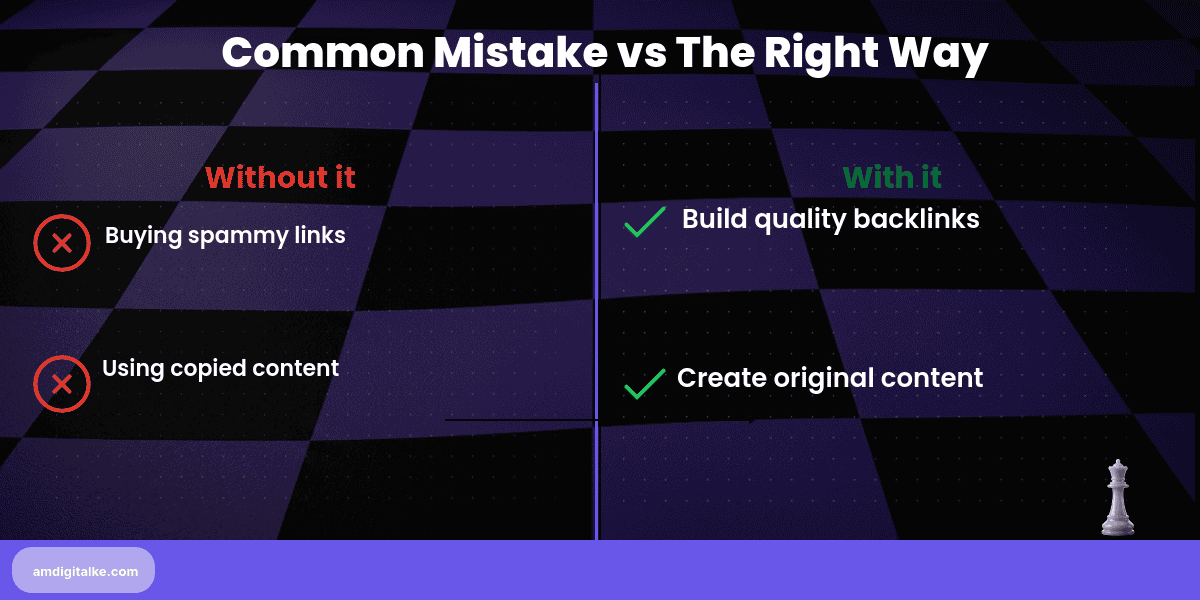
Then your web developer buys 200 spammy backlinks from overseas link farms to “boost rankings faster.”
Within two weeks, Google’s algorithm detects the manipulation. Your site drops to page 7, invisible to potential clients.
Those 200+ monthly leads vanish. This costs you millions in lost business while competitors capture your market share.
Steps to Protect Your Site from Google Penalties for Your Kenyan Business
Step 1: Audit your backlink profile monthly using Google Search Console
Check the “Links” report for suspicious domains. Look for irrelevant anchor text or sudden spikes in new links.
Understanding what a backlink really means helps you identify quality versus toxic links pointing to your site.
Step 2: Disavow toxic backlinks immediately through Search Console’s Disavow Tool
Upload a .txt file listing spammy domains pointing to your site. Remove domains you can’t manually remove.
Building quality backlinks strategically is always better than trying to undo damage from bad ones.
Step 3: Ensure your content is original and never copied from other sites
Use Copyscape or Grammarly’s plagiarism checker before publishing any page or blog post. Original content is the foundation of understanding what SEO really means for sustainable growth.
Step 4: Remove keyword stuffing from all pages and keep keyword density under 2%
Your “dentist Westlands” page shouldn’t repeat that phrase 47 times unnaturally. Learn more about maintaining proper keyword density naturally to avoid over-optimisation penalties.
Step 5: Verify your site loads on mobile without intrusive pop-ups or interstitials
Test on actual smartphones. Many Kenyan users browse exclusively on mobile devices.
Optimising your mobile-first indexing approach ensures Google can properly crawl and rank your site.
Step 6: Set up Google Search Console alerts for security issues and manual actions
You’ll receive immediate email notifications if Google detects problems. This requires attention before penalties get worse.
Perfecting your technical SEO foundation includes proper monitoring and alert systems.
Want more detailed explanations? Check out my SEO FAQs page for a glossary of penalty prevention terms.
Step 7: Never participate in link schemes, paid links without nofollow tags, or private blog networks
One report from a competitor can trigger manual review and permanent damage. Understanding what off-page SEO encompasses helps you build authority the right way without risking penalties.
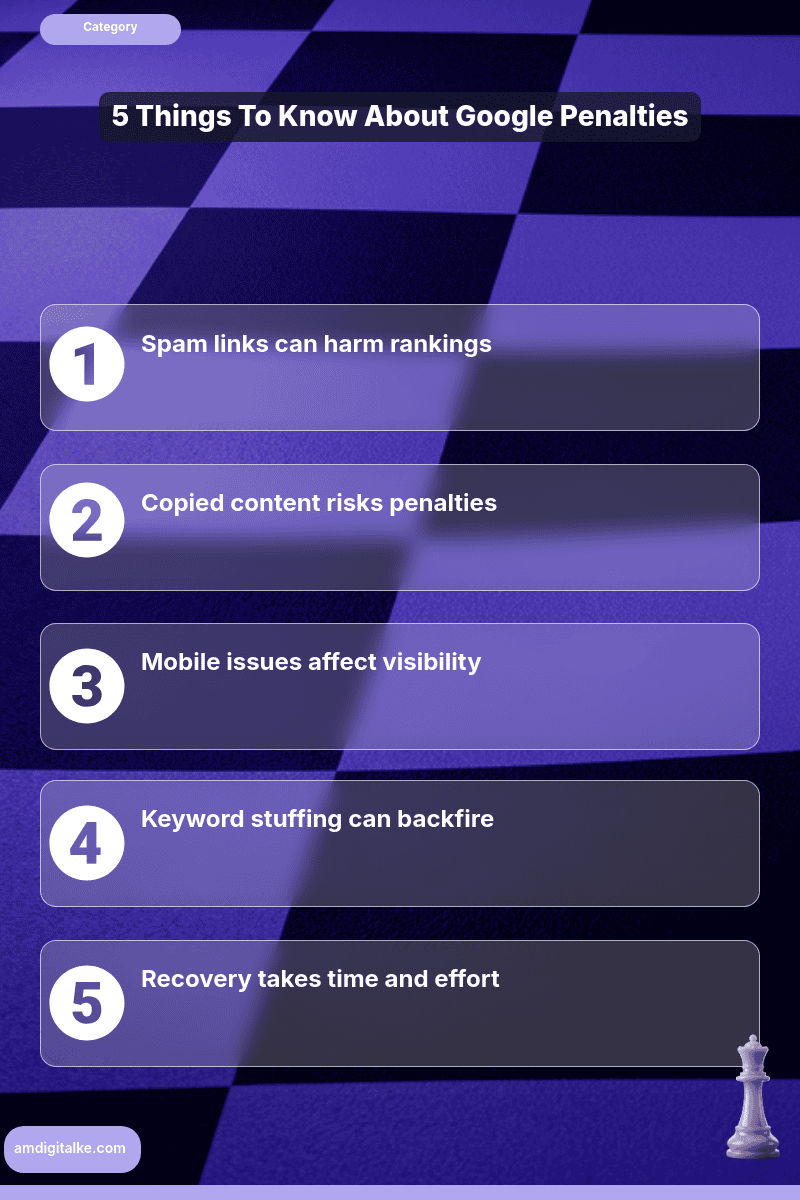
✅ Your Penalty Protection Checklist:
- ☐ Monthly backlink audit completed
- ☐ Toxic links disavowed
- ☐ Content originality verified
- ☐ Keyword density under 2%
- ☐ Mobile experience tested
- ☐ Search Console alerts are active
- ☐ Link scheme participation: zero
Download this complete SEO Checklist to stay on top of all penalty prevention tasks.
Run this protection audit quarterly. Prevention takes two hours every three months.
It saves you from 6-12 months of recovery work if penalised. Stay proactive, stay visible.
Let’s run a free SEO analysis of your site to identify any existing penalty risks before they impact your rankings.
Related Content
Curious to learn more about protecting your site from penalties? Check out the posts below:
- What is a Google Penalty (As Seen From a Kenyan SEO) – This explains the different types of penalties Google issues and how they impact your Kenyan business rankings.
- What is Domain Authority? (A Kenya Business Guide) – Domain authority drops significantly after penalties, so understanding this metric helps you monitor recovery progress.
- Why Search Intent Beats Search Volume: The Strategic SEO Move – Targeting the right search intent prevents thin content penalties while building sustainable traffic.
- How to Improve Your Off-Page SEO for Your Kenyan Business – This shows you how to build clean backlinks that strengthen rankings without triggering algorithmic flags.
These articles will walk you through the basics of maintaining a penalty-free SEO strategy.
Have more SEO questions? Our SEO FAQs Kenya page answers the most common ones.
Frequently Asked Questions
What happens if my site gets penalised?
Your site may lose rankings and traffic, costing your Kenyan business leads and revenue. Recovery can take months.
Can I recover from a Google penalty?
Yes, by fixing issues like spam links or thin content. Use Search Console to submit for reconsideration.
How often should I check for penalties?
Monthly, using tools like Google Search Console. Kenyan businesses should stay vigilant to avoid sudden drops.